

The first day of fall (September 22) is when most skincare routines get an overhaul: richer moisturizers come out, lighter summer products get packed away, and “new season, new routine” takes over.
Here's what's actually worth updating, and the two things that shouldn't move no matter what the season is.
What to Update This Fall
Moisturizer: Lightweight → Richer
Lower humidity and cooler air pull more moisture out of skin than summer conditions do, so a gel-based summer moisturizer often isn't enough on its own once temperatures drop.
A richer, more occlusive formula helps skin hold onto hydration instead of losing it faster than it can replace it.
Exfoliation: Less Frequent, Gentler
Fall air already puts more stress on the skin barrier. Layering aggressive or frequent exfoliation on top of that tends to compound dryness and sensitivity instead of improving texture.
Dialing back frequency, or switching to a gentler formula, usually works better once the air turns drier.
Add a Hydration Layer
Summer humidity does some of the hydration work on its own. Once that's gone, a humectant serum or facial oil underneath moisturizer can fill the gap, especially for skin that felt fine all summer without one.
The 2 Things That Never Change
Everything above is about what's happening on top of skin. These two aren't seasonal, and neither should be treated that way.
SPF
Fall sun still causes the same UV exposure summer sun does, even on cooler or cloudier days.
Skipping SPF because it doesn't feel like sunscreen weather is one of the most common seasonal skincare mistakes, and one of the easiest to avoid.
Collagen
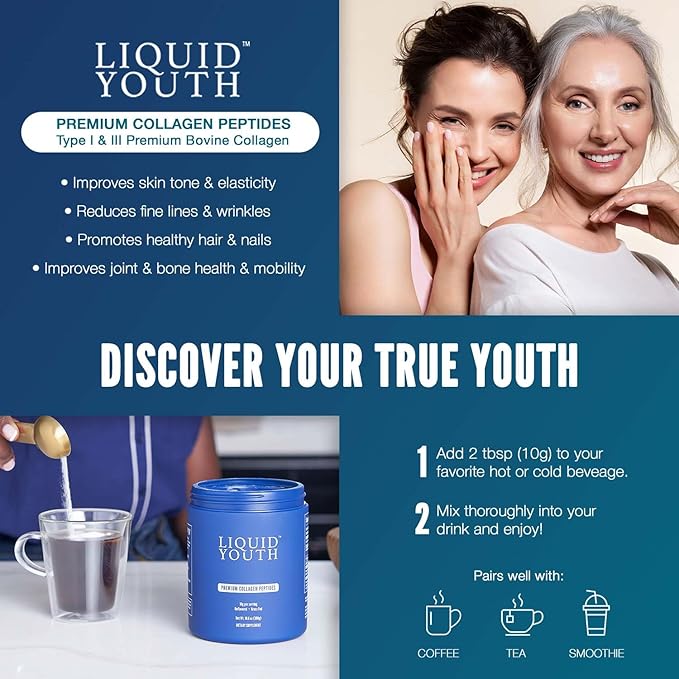
Collagen is structural, it's the scaffolding underneath skin, not a surface layer that reacts to weather.
Clinical research on collagen peptides shows measurable improvements in skin hydration and elasticity after about 8 to 12 weeks of consistent daily intake.[1]
That timeline doesn't reset because the season did, and pausing intake to “switch things up” for fall just resets the clock instead of protecting it.[2] If collagen water is already part of a routine, fall isn't a reason to change it.
One protects skin from the outside. The other supports it from within. Neither one is seasonal.
A Simple Fall Skincare Checklist
- Swap: lightweight summer moisturizer → richer, more occlusive formula
- Swap: frequent or strong exfoliation → gentler, less frequent exfoliation
- Add: a hydrating serum or facial oil for extra hydration, if needed
- Never skip: SPF, every day, regardless of how fall feels outside
- Never pause: Liquid Youth Sparkling Collagen Water
FAQs
Does skincare need to change with the seasons?
The topical layer, yes, mostly around moisture and exfoliation. SPF and collagen support are the two exceptions that should stay consistent year-round.
Should I take a break from collagen supplements between seasons?
No. Collagen peptide benefits build cumulatively with consistent daily intake, so pausing it resets progress rather than protecting it.
Why are SPF and collagen grouped together here?
Both are protective, year-round, and unaffected by the weather. SPF protects skin from the outside; collagen peptides support it from within.
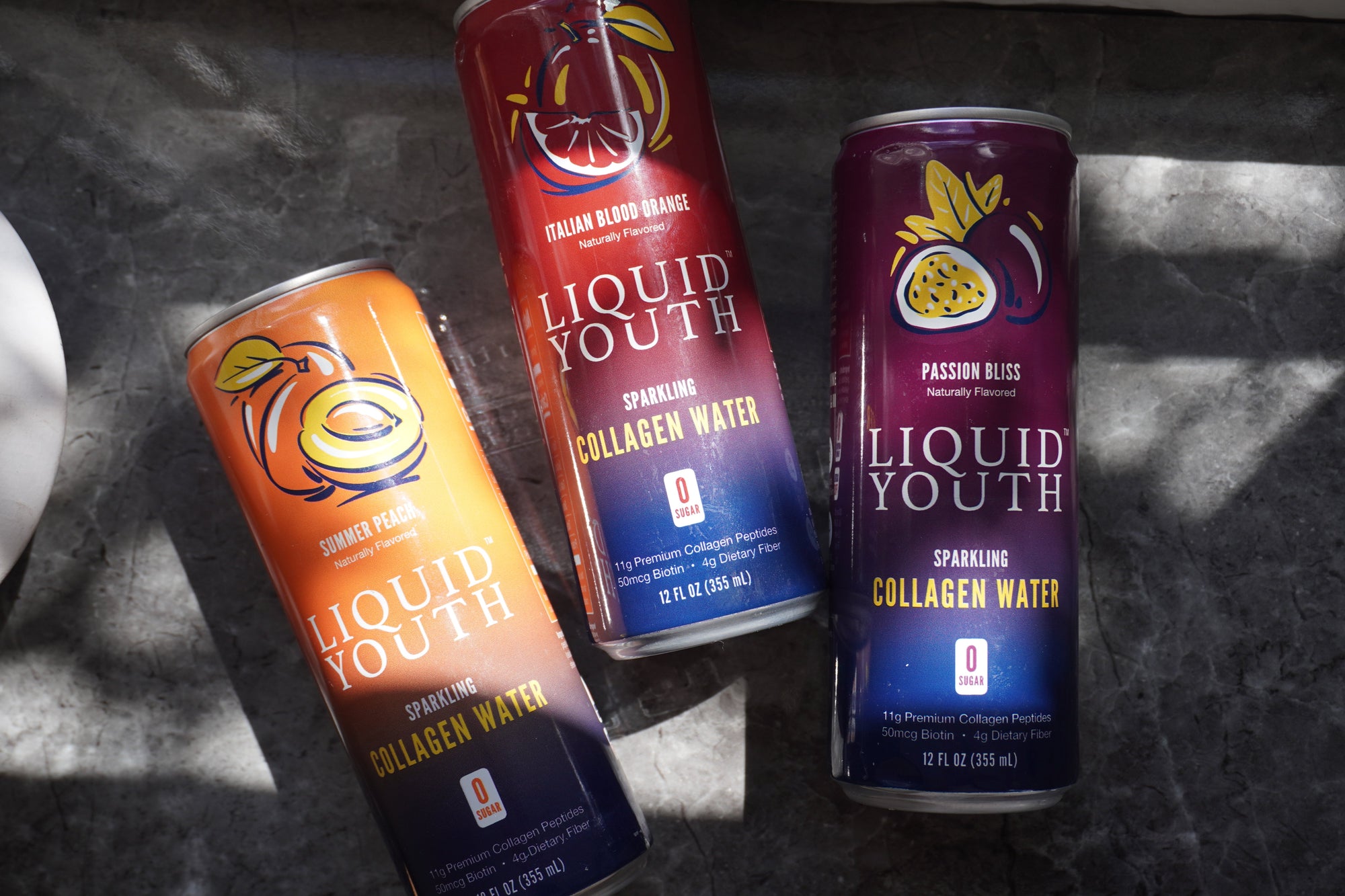
Product Spotlight: Liquid Youth Sparkling Collagen Water
- 11g of premium, grass-fed bovine collagen peptides and 10g of protein per can
- Supports skin, hair, nails, joints, and gut health
- Zero sugar, no artificial colors, flavors, sweeteners, or preservatives
- 4g of dietary fiber and 50mcg of biotin
- Available in three flavors: Passion Bliss, Italian Blood Orange, and Summer Peach
- Ready to drink — no mixing, no powder, no prep
- The internal half of a routine that doesn’t need any seasonal adjustments
First day of fall, same can.
Shop Liquid Youth →
References
- Proksch, E. et al. Oral Supplementation of Specific Collagen Peptides Has Beneficial Effects on Human Skin Physiology. Skin Pharmacology and Physiology (2014).
- Khatri, M., Naughton, R.J., Clifford, T., Harper, L.D. & Corr, L. The effects of collagen peptide supplementation on body composition, collagen synthesis, and recovery from joint injury and exercise: a systematic review. Amino Acids (2021).
These statements have not been evaluated by the Food and Drug Administration. This product is not intended to diagnose, treat, cure, or prevent any disease.
Results may vary; the studies referenced reflect general research on collagen peptides and are not claims about Liquid Youth specifically.